
Hydraulic Oil Overheating in a Concrete Pump: Causes and What to Check First
Hot oil means weaker lubrication and a shorter life for seals and the pump. If the oil on your pump runs hot, this is the order we suggest checking, from cheapest to dearest.
Published
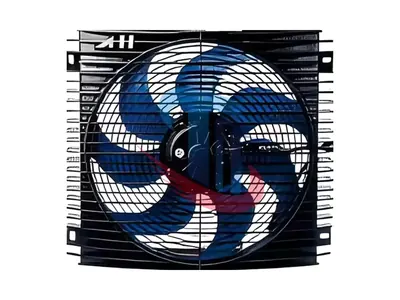
Why the oil heats up
Any energy lost inside a hydraulic system (internal leakage, restriction, friction) turns into heat, and the oil cooler takes that heat out. When the heat produced is more than the cooler removes, the oil temperature climbs. So the cause is either a weak cooler or a system producing too much heat.
Check in this order
- Oil level and condition: a low level, or dark oil with a burnt smell, foam or a milky look.
- The oil cooler fins: are they blocked with dust or concrete spray? Cleaning is the cheapest fix.
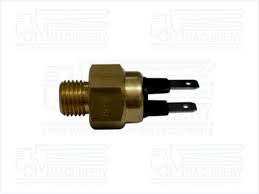
- The cooling fan: does it turn when the oil is hot? On many machines a temperature sensor or switch turns it on, so check the supply and the sensor before replacing the fan.
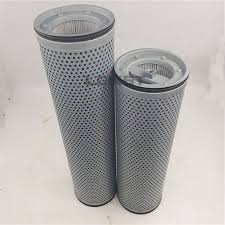
- The filters: a clogged filter chokes the circuit and raises the heat. See hydraulic filters on a concrete pump.
- Hoses and fittings: a kinked or crushed hose chokes the oil.
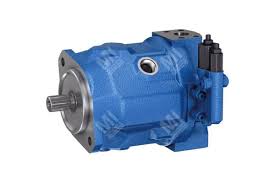
- The hydraulic pump and motor: if all of the above is fine and the oil still runs hot with noise or weak performance, there may be internal wear that needs testing in an equipped workshop.
Symptom, likely cause and where to look
| Symptom | Likely cause | Part |
|---|---|---|
| Fan not turning while the oil is hot | Fan, wiring or sensor fault. | Cooling and fans and electrical |
| Cooler fins blocked | Dust and concrete spray stop the air flow. | Clean first, then the cooler if damaged |
| Dark oil or a burnt smell | Old oil or overload. | Change the oil together with the filters |
| Noisy, hot pump with weak output | Internal wear. | Workshop test, then pumps and motors |
What not to do
- Do not keep pumping when the oil is above the limit in your machine's manual. The limit differs between machines and oils.
- Do not change the relief valve settings to cut the heat without the manual; you can damage the pump or lose safety.
- Do not fit a fan or cooler with different specifications from the original. Order by number or photo as in how to find the part number.
Prevention is cheaper than repair: cleaning the cooler and checking the level are part of the concrete pump maintenance checklist.
Parts from the catalogue
Related categories
Quick questions
What temperature counts as too hot?
The limit is in the machine's manual and on its temperature gauge. We do not quote a figure because it differs by machine and oil.
Is cleaning the cooler enough?
Sometimes, especially when the fins are blocked with dust or concrete. If the oil still runs hot, continue with the other checks.
Does high temperature damage the pump?
Yes. Hot oil gets thinner and lubricates less, and seals age faster, which shortens the life of the pump and seals.
Should I fit a bigger fan?
No. The fan is chosen to match the electrical system and the cooler. Order the one that matches the original by number or photo.
Read next
- Concrete Pump Wear Parts: What Wears Out and When to Replace ItThe main wear parts of a concrete pump: spectacle plate, cutting ring, S-valve, pistons, pipes and elbows. Signs of wear and what to replace together.
- Concrete Pump Parts and Their Names in Arabic and English: A Plain GlossaryNames of concrete pump parts in Arabic and English: hopper, agitator, S-valve, spectacle plate, cutting ring, delivery cylinders and cooler, with what each part does.
- Spectacle Plate and Cutting Ring: Signs of Wear and When to Replace ThemWhen to replace the spectacle plate and cutting ring on a concrete pump: signs of wear, why they are replaced as a pair, and what to send us so we identify the right parts for your pump.
- Concrete Pump Slow or Weak Output: Possible Causes and What to CheckIf a concrete pump's output drops: check the concrete and the line, then the spectacle plate and cutting ring, the delivery pistons, the filters and the hydraulic pump. A table of symptoms and causes.
- Concrete Pump Maintenance Checklist: After Every Pour, Daily and Periodic ChecksA practical concrete pump maintenance checklist: cleaning after pumping, daily oil and water checks, and periodic checks of filters and wear parts. Exact intervals come from your machine's manual.
- Hydraulic Filters on a Concrete Pump: Types, When to Replace and How to OrderTypes of hydraulic filter on a concrete pump, the signs of clogging, when to replace them, and how to order the right filter by the number printed on it.
- Blog
- Heavy equipment parts